


Washington
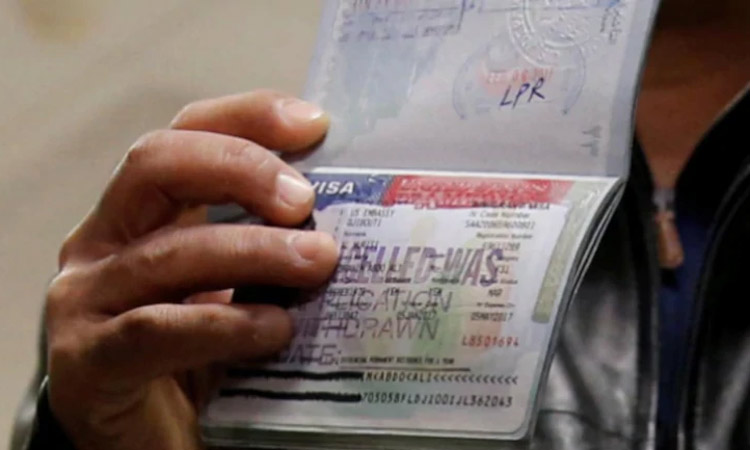
A group of 60 US lawmakers have urged President-elect Joe Biden to revoke a Trump administration policy and extend the validity of work authorisation documents for H4 visa holders, who are spouses of those possessing H-1B visas, with the majority being highly-skilled Indian women.
An H-4 visa is issued by the US Citizenship and Immigration Services to immediate family members of the H-1B visa holders, most of whom are Indian IT professionals.
“We respectfully request that the Department of Homeland Security publish a Federal Register notice on day one of your administration that would extend the validity period of all expired H4 EADs,” the members of the US House of Representatives wrote to Biden in a letter on December 16.
This rule presented an important step towards rectifying gender disparities in our immigration system, as around 95 per cent of H4 visa holders who have secured work authorisations are women, it added.
“Before the rule was granted, many women on H4 visas described depression and isolation in moving to a new country and not being allowed to work outside of the home. Unfortunately, these women are losing and will continue to lose their jobs until this is put right, disrupting the lives of their families and the functioning of employers in our districts,” the letter said.
Among signatories to the letter are Indian-American congressmen Dr Ami Bera, Ro Khanna, Raja Krishnamoorthi and Pramila Jayapal. Other key signatories are congresswomen Bonnie Watson Coleman, Rashida Talib, Barbara Lee and Judy Chu.
In the letter to Biden, the lawmakers said that once an H-1B holder is sponsored for employment-based lawful permanent resident status, his or her H-4 visa-holding spouse may apply for work authorisation.
“This rule presented an important step towards rectifying gender disparities in our immigration system as around 95 per cent of H-4 visa holders who have secured work authorisation are women,” they wrote.
These women on H-4 visas work in a variety of fields like essential healthcare workers, including in research and development roles at pharmaceutical companies; these women play tremendously important roles as we continue to battle the COVID-19 pandemic, the letter said.


