

The United Kingdom exits the European Union’s orbit on Thursday, turning its back on a tempestuous 48-year liaison with the European project for an uncertain Brexit future that will shape the fortunes of its people for generations to come.
Brexit, in essence, takes place at the strike of midnight in Brussels, or 2300 London time , when the United Kingdom leaves de-facto membership that continued after it formally left the bloc on Jan. 31.
For five years, the frenzied gyrations of the Brexit crisis have dominated European affairs, haunted the sterling markets and tarnished the United Kingdom’s reputation as a confident pillar of Western economic and political stability.
Cast by supporters as the dawn of a newly independent “global Britain”, Brexit has weakened the bonds that bind together England, Wales, Scotland and Northern Ireland into a $3 trillion economy.
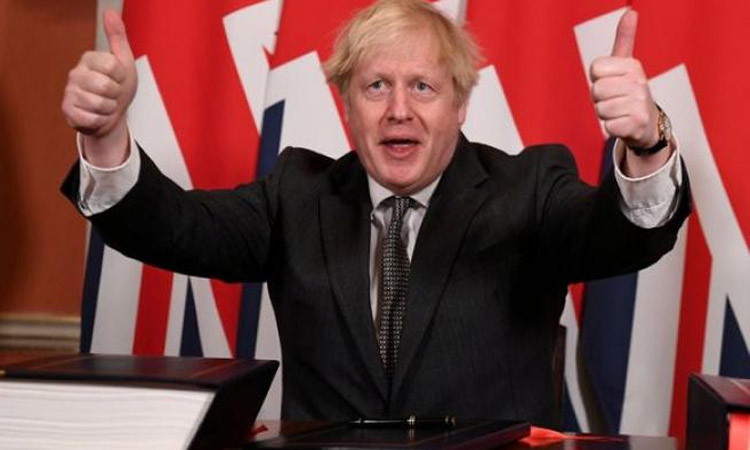
“Brexit is not an end but a beginning,” Johnson, 56, told parliament just hours before it approved his EU trade deal. Grinning, he later quipped to reporters that he had read the deal he had signed.
Johnson said there would be no bonfire of regulation to build a “bargain basement Dickensian Britain” and assured Europe that the United Kingdom would remain the “quintessential European civilization”.
But the face of the Brexit campaign has been short on detail of what he wants to build with the United Kingdom’s new “independence” – or how to do it while borrowing record amounts to pay for the COVID-19 crisis.


